I’m delighted to share ‘Nature’s Orchestra’: a three part listening journey based around some incredible recordings made by celebrated field recordist Martyn Stewart OBE from The Listening Planet. Martyn has spent over 60 years recording the planet and has amassed one of the worlds best archives of nature sounds.
It began with the idea that the sounds of the living world should not be forgotten. Monitored wildlife populations have fallen by an average of 73% since 1970, according to WWF’s Living Planet Report 2026, and some of the sounds on this record belong to animals and ecosystems that no longer exist.
For Nature’s Orchestra, Martyn kindly provided us with a ‘best of’ - a 15 minute compilation of sounds that have resonated most with him and carry the most significance (see below for more details) across three distinct themes. Many of the sounds are from animals that are now extinct or eco-systems that have significantly altered beyond all recognition since they were recorded.
The piece is released under the Sounds Right initiative, which recognises Nature as a right-holding artist, and ensures profits are collected and distributed around a range of climate charities (via our charity partner Earth Percent, UN Live and others).
Sounds Right has been amazingly successful so far, amassing over 400 million streams and 30 million listeners across 185 countries, placing ‘Nature The Artist’ in the top 0.1% of artists on Spotify globally. The initiative has raised over $1M for nature conservation including frontline efforts in the Tropical Andes, the Amazon and Congo Basin. Governed by an independent Expert Advisory Panel and hosted by EarthPercent, the Sounds Right Fund prioritises community-led, rights-based conservation in key biodiversity areas.
How Nature’s Orchestra Was Made
For the piece, the intention was to demonstrate the potential of human / nature collaboration through sound. So instead of leaving the field recordings as they were (which can be heard via The Listening Planet), I firstly processed them in my studio using granular synthesis techniques I’ve been developing for the Soniferous app (coming soon - I promise!).
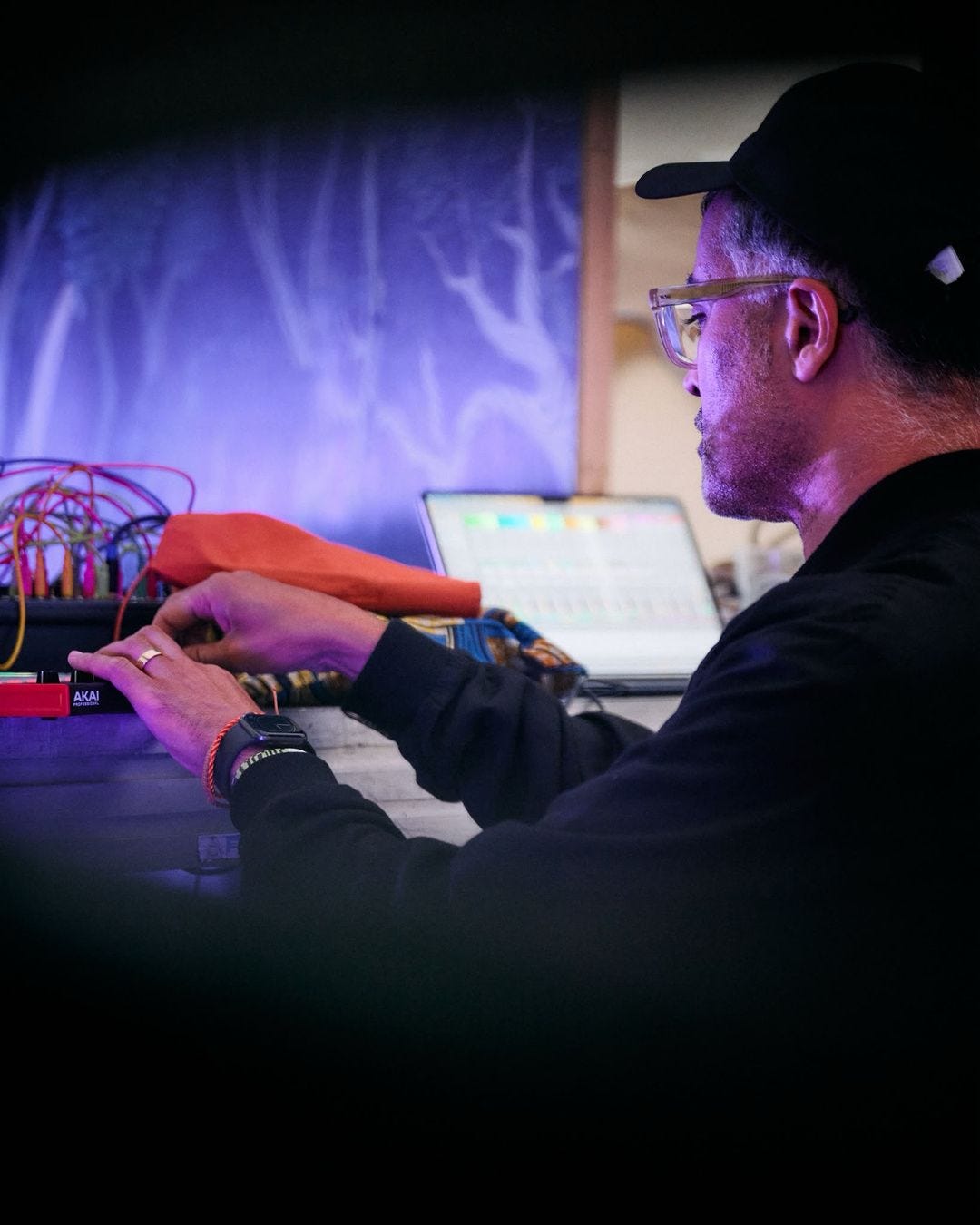
This created an ambient soundscape that was tuned to and triggered by the natural recordings. The soundscape was subsequently shared with a range of musicians, inviting them to respond to the sounds in their own unique ways.
The project was put together and conceived by climate culture strategist Sophia Shnapp, who connected with a brilliant cast of musicians from around the world.
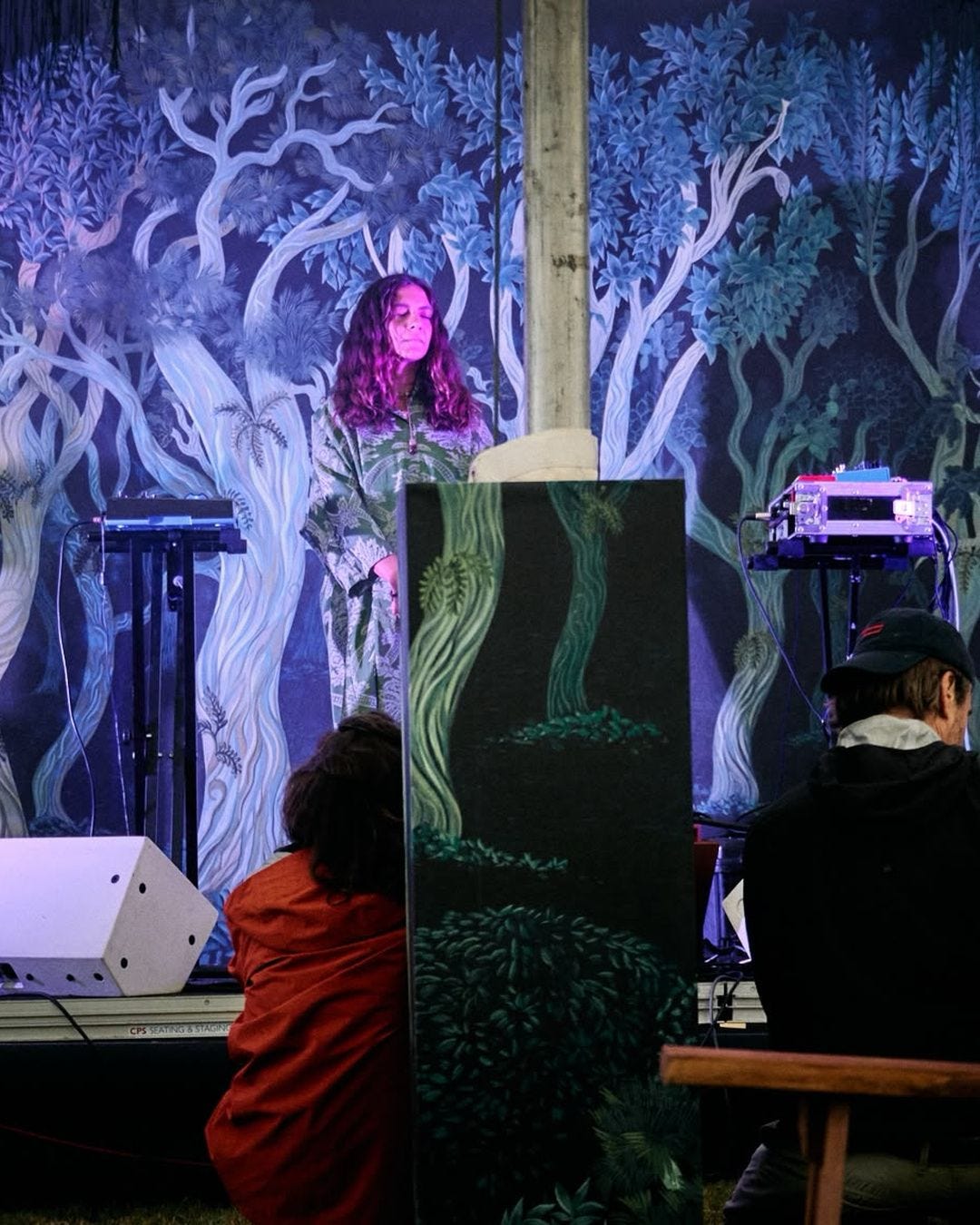
Cosmo Sheldrake’s 2020 album Wake Up Calls was composed using recordings of birdsong from the red and amber lists of endangered British birds. For the EP he added a specially recorded dawn chorus.
Jack Peñate is a co-writer on SAULT’s album 11, which won the 2023 Ivor Novello Award for Best Album. He riffed on guitar.
Brother Spirit is a monk and composer who studied mathematics at Cambridge, and his book Wonder, written with Thich Nhat Hanh, is published in March 2027. For NATURE’S ORCHESTRA, he played cello.
Peni Candra Rini is an Indonesian composer, improviser, vocalist, and educator, she added intuitive vocalisations to the piece.
Thomas Davíð Stankiewicz is a composer and musician from Reykjavik, Iceland. He played classical piano on the piece.
London-based guitarist and producer Leo Abrahams and NYC master musician (and boss of figureight records) Shahzad Ismaily added rhythmical layers.
Once their responses were submitted, the challenge was to weave them together onto the pieces ensuring that the natural sounds remained at the forefront. The idea was to keep Nature as the main voice in the piece, complemented by the acoustic and electronic sounds.
The Final EP
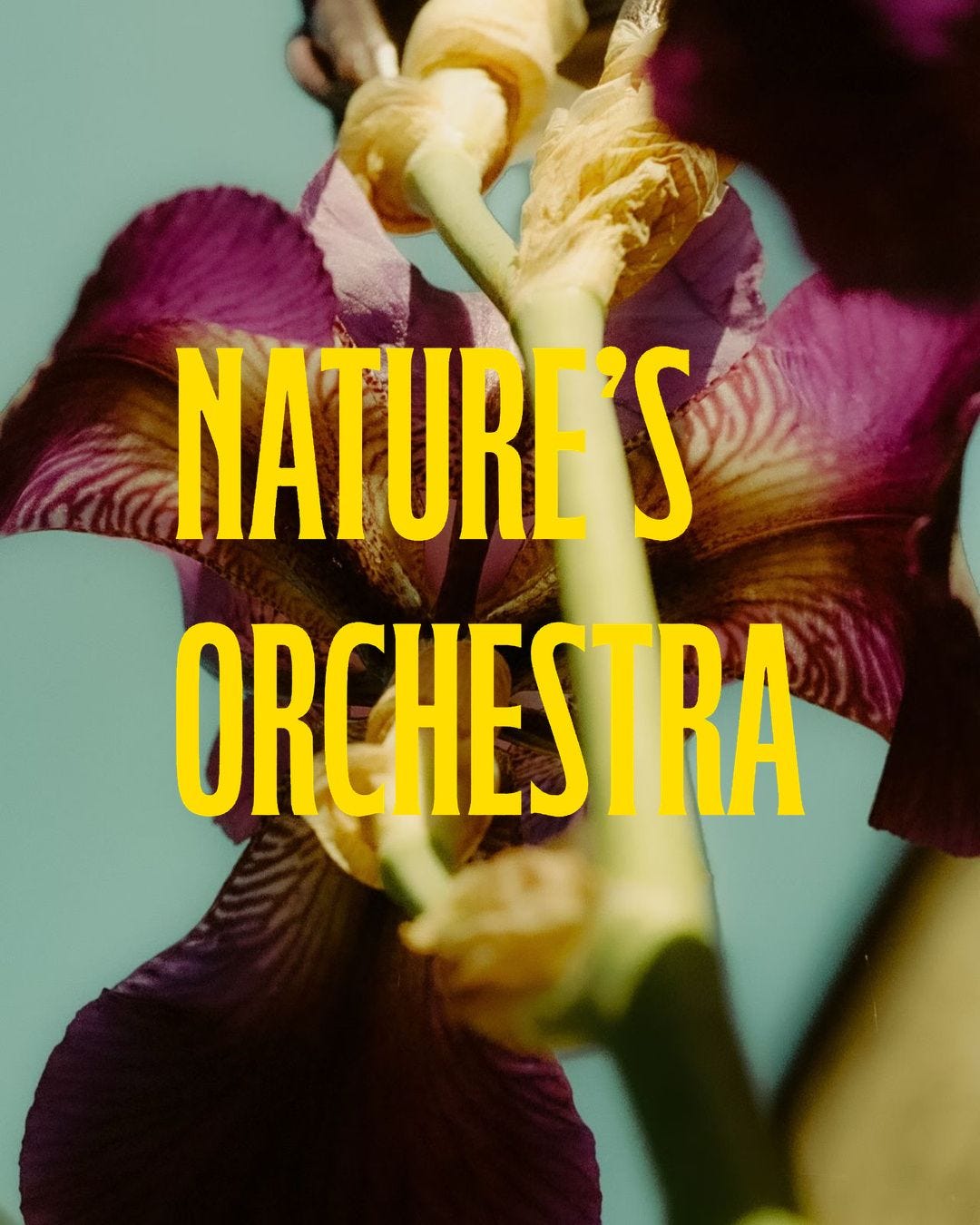
NATURE’S ORCHESTRA is a three-part journey from today’s dissonance and disconnection towards an imagined world where humans and nature live in harmony.
Part I, ‘Out of Tune’, depicts the world as it is now, deliberately dissonant. In Part II, ‘Heaven on Earth’, we pause, listen to many extinct ecosystems and let life return for a few fleeting minutes. Part III, ‘Nature’s Orchestra’, is a triumphant crescendo that points to a future that is still possible, where humans and nature are as kin.
LISTEN ON ALL STREAMING PLATFORMS:
About the field recordings:
I asked Martyn Stewart to provide some insight into the recordings and he came back with this, with a specific focus on the second track on the EP, entitled ‘Heaven On Earth’. The following is what Martyn came back with:
Among the sounds I supplied for Heaven on Earth are some incredibly rare and treasured recordings from The Listening Planet archive. Some represent species that have disappeared from their natural habitats, while others are perilously close to extinction.
Bachman’s warbler – Extinct. Once inhabited the swamp forests and wooded wetlands of the southeastern United States. I have a recording from South Carolina believed to be this species, although its identification remains unconfirmed. The species was officially declared extinct in 2023.
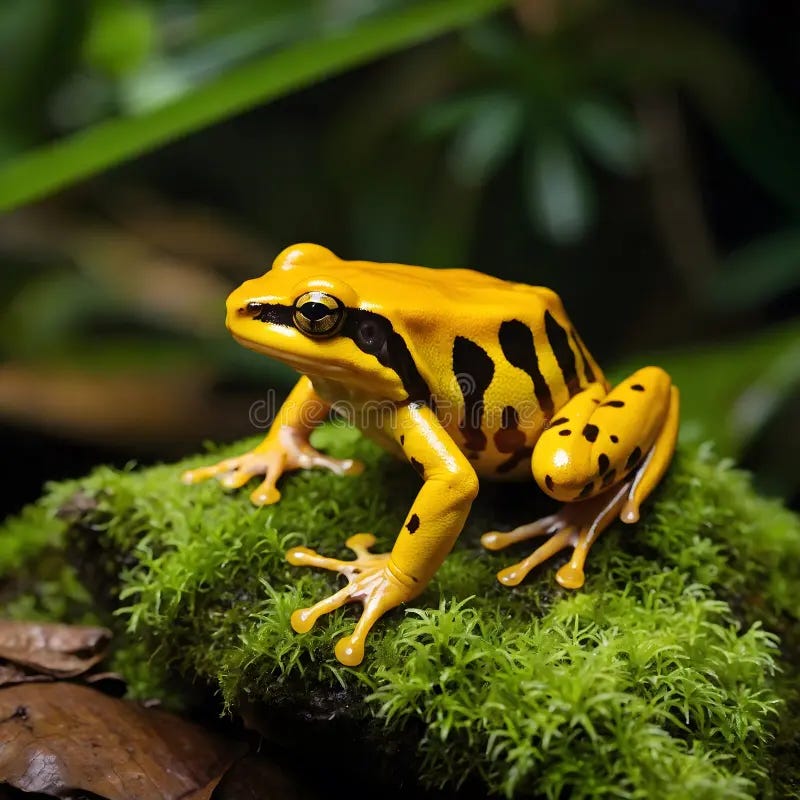
Panamanian golden frog – Critically endangered. Once found alongside mountain streams in Panama’s tropical rainforests and cloud forests. A devastating fungal disease virtually eradicated its wild populations. Captive breeding and experimental reintroductions offer some hope for its survival.
Hawaiian crow (ʻAlalā) – Extinct in the wild, with reintroduction efforts underway. Once an integral part of Hawaii’s native forest soundscape, it disappeared from the wild in 2002 following habitat destruction, disease and introduced predators.
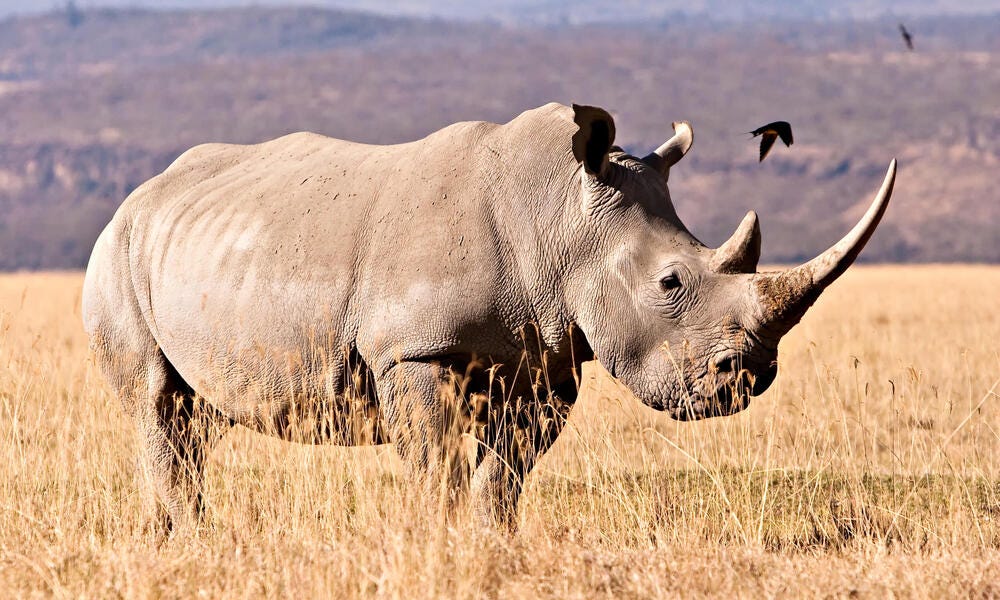
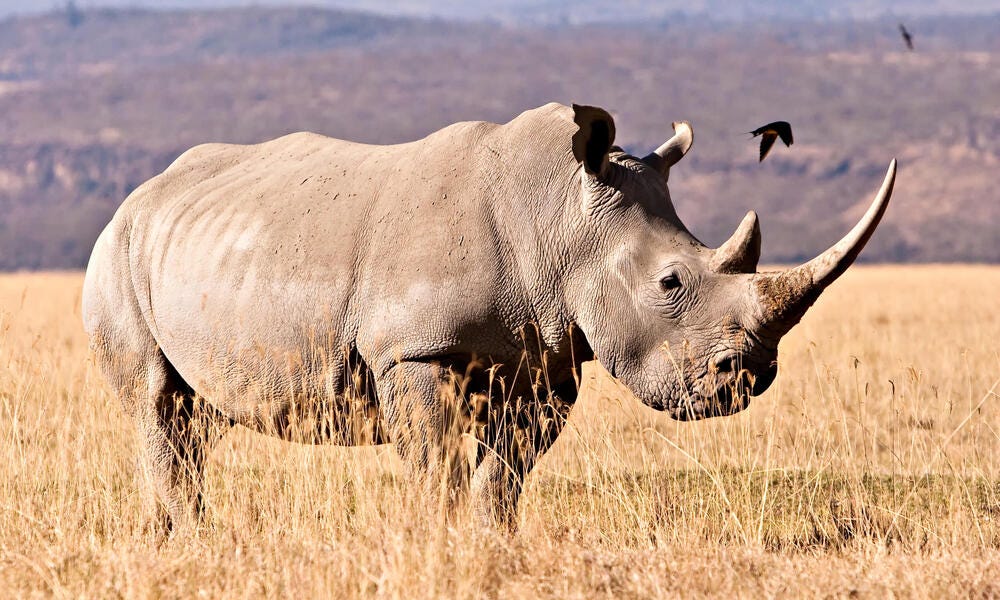
Northern white rhinoceros – Functionally extinct. Once roaming the grasslands and savannas of Central and East Africa, only two females remain alive. Decades of poaching have brought this magnificent animal to the brink of complete extinction.
Bornean orangutan – Critically endangered. Its extraordinary long calls once resonated throughout vast expanses of Borneo’s tropical rainforests. Logging, palm oil plantations and habitat destruction continue to threaten its existence.
Bornean gibbon – Endangered. Its beautiful morning songs and territorial duets are among the defining sounds of Borneo’s rainforest canopy. These voices are disappearing as their forests are destroyed.
Beyond individual species, many of the ecosystems I have recorded throughout my lifetime have been severely diminished. The tropical rainforests of Borneo, the cloud forests of Central America, the native forests of Hawaii and the wooded wetlands of North America have all suffered significant ecological losses.
An ecosystem does not necessarily have to disappear physically for its original soundscape to be lost. Every species removed from that environment takes with it a unique voice, changing the composition of nature’s orchestra forever.
These recordings are acoustic time capsules, preserving moments in our planet’s natural history that may never be heard again.
There is something particularly poignant about their inclusion in an album called Nature’s Orchestra. We already have heaven on Earth, but we are systematically dismantling it.
I hope our collaboration encourages people not only to appreciate the beauty of these sounds but also to understand their rarity and the urgency of protecting what remains.