


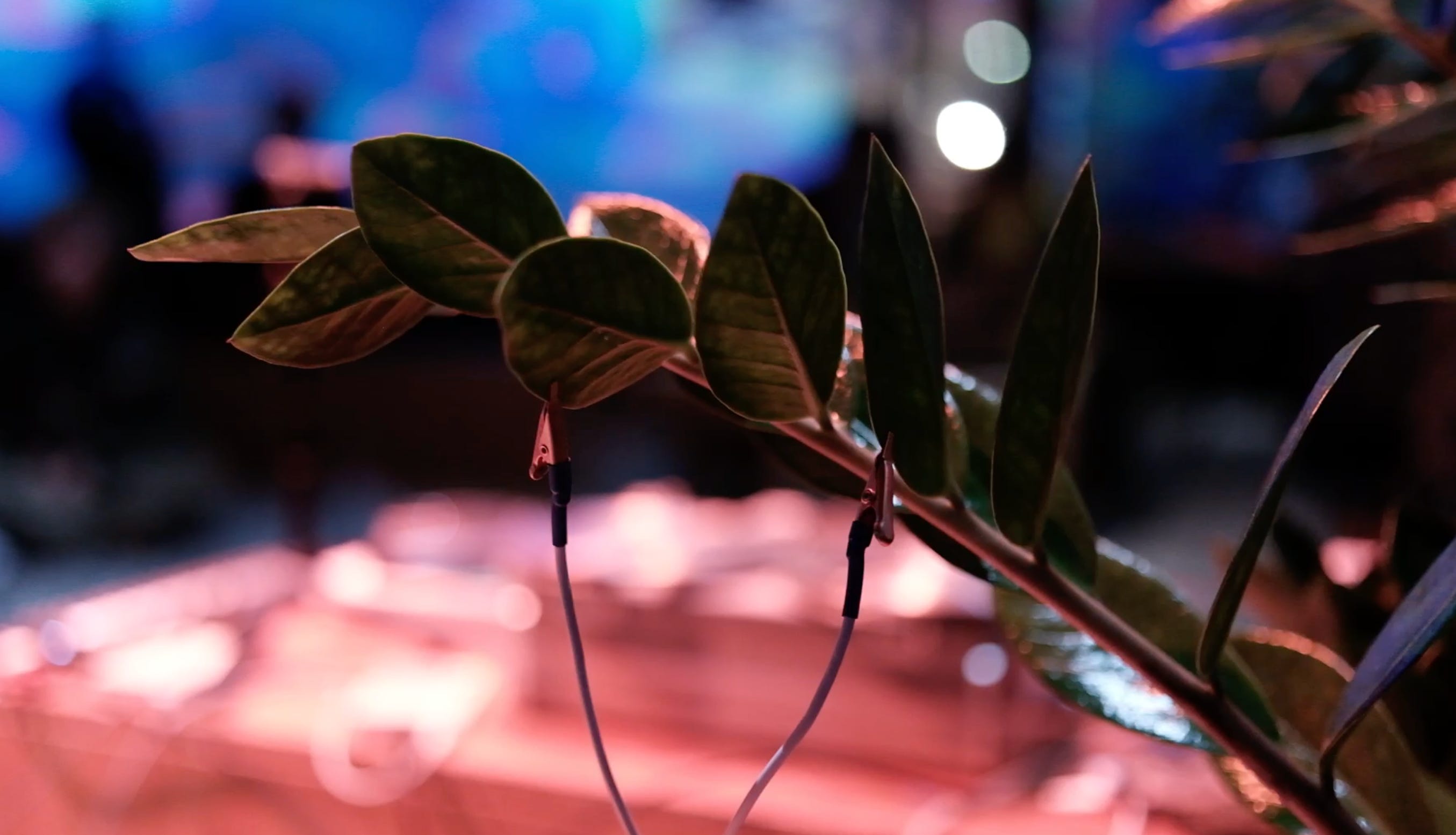
What started as a lockdown commission to make a piece of music inspired by vertical farming, has grown organically (!) over the last five years into the event series Plants Can Dance (and Mushrooms ‘Sing’). The level of interest in plant and fungi-inspired music indicates a few things, but most pertinently that something changed for a lot of us during this period: we felt a deeper yearning to connect with the natural world.
For me, being locked down was a claustrophobic experience. I’d been flying around as a touring DJ most weekends, to the point of being close to burn out. Lockdown enforced the sabbatical I’d needed and my attention turned from collaborating with musicians around the world to collaborating with Mother Nature, who’s magic I started to find everywhere I looked.
I’d always used field recordings in my music, but lockdown inspired me to transform my field recording practise, upgrading from a basic iPhone recorder to an array of microphones recommended courtesy of the renowned recordist Chris Watson (via a four day CAMP course). Getting out into my local parks including the vast Alexandra Palace helped me to listen deeply, to peel back layers of the soundscape: I began to be able to identify individual bird calls, to notice the changing on the seasons. I became interested in different listening practises, in particular Deep Listening courtesy of Pauline Oliveros and took a deep dive into meditation.
Once the lockdown started to ease, the anthrophony reared back into life: cars, planes, sirens all overwhelmed the beautiful biophony I’d been listening to as urban life roared back into gear. As a field recordist (now being commissioned to capture this biophony for a number of projects), this became a frustrating process - getting up at 3am to record outside out of most flight paths was fun but unsustainable.
Electricity and Biosonification
It was around this time that I started to see viral videos from PlantWave and others. They were advertising devices that offered a different way of connecting with the natural world and making music through ‘electrical signals’. I thought it looked pretty gimmicky but bought one of the early devices and this started my exploration into the world of biosonification.
PlantWave works by completing an electrical circuit and measuring the small fluctuations in electrical current that is being made by whatever you connect them to. As per the name, connecting to plants work very well and the accompanying PlantWave app allows you to choose from a bunch of sound libraries to create a generative soundscape from this real-time ‘plant data’. As a musician, the best thing about PlantWave was the ability to capture the raw data from whatever you plugged into - the MIDI notes - and this could be used as the bedrock for my own nature-inspired compositions.
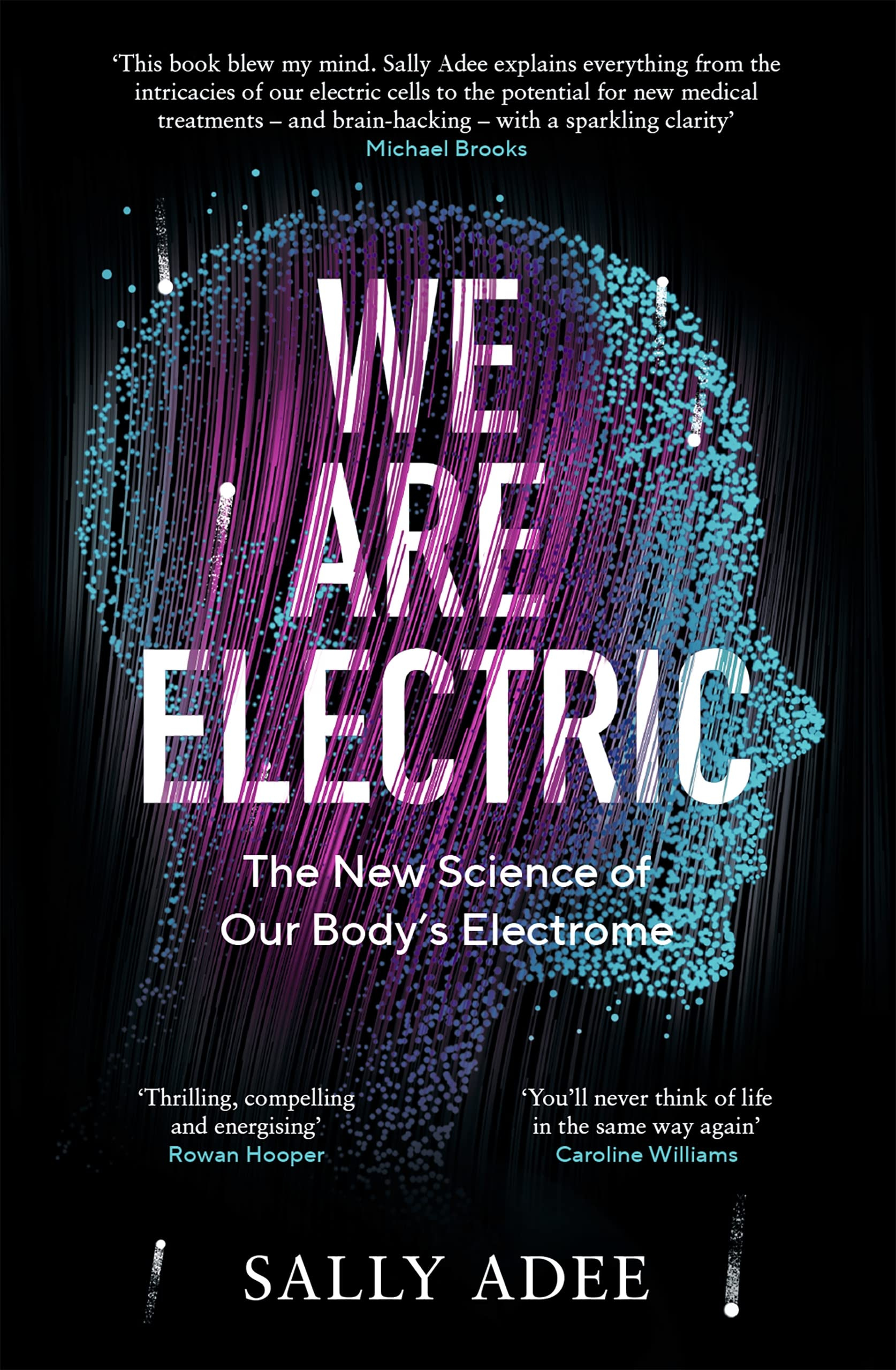
As a non-scientist, the world of bioelectricity and electricity in general was pretty novel to me, but entirely fascinating. I’ve recently been reading ‘We Are Electric’ by Sally Adee, and in it she documents how the wonder of electricity has been a much-debated and disputed topic for over 300 years, and that the importance of the ‘electrome’ in everything alive today undermined and placed in the shadows compared to the micro-biome and DNA.
As a musician, the greatest thing around working with PlantWave was it solved my immediate frustration with field recording: I could compose with nature using MIDI data rather than sound data. I was still dubious as to what was producing the data and what it told us, if anything, about the state of the plant but from the point of view of making music and art with nature, any data was enough. I viewed my job as a ‘translator’ - to take the data and then create a kind of sonic ecosystem or ‘ecology of sound’ using my modular synth to embody the plant (or fungi) as best as I could compositionally.
As an artist, this was creatively freeing - I didn’t need to think about the notes or the timings, I could compose with this ‘natural data’ outside of the standard tunings, regularity of the metronome and other standard production techniques. This was revelatory - I could make nature-inspired compositions that tuned audiences into the living world that was all around us, with the hope that by doing so, we would start to think about life in symbiosis and perhaps even ways to protect our fragile planetery ecosystem.
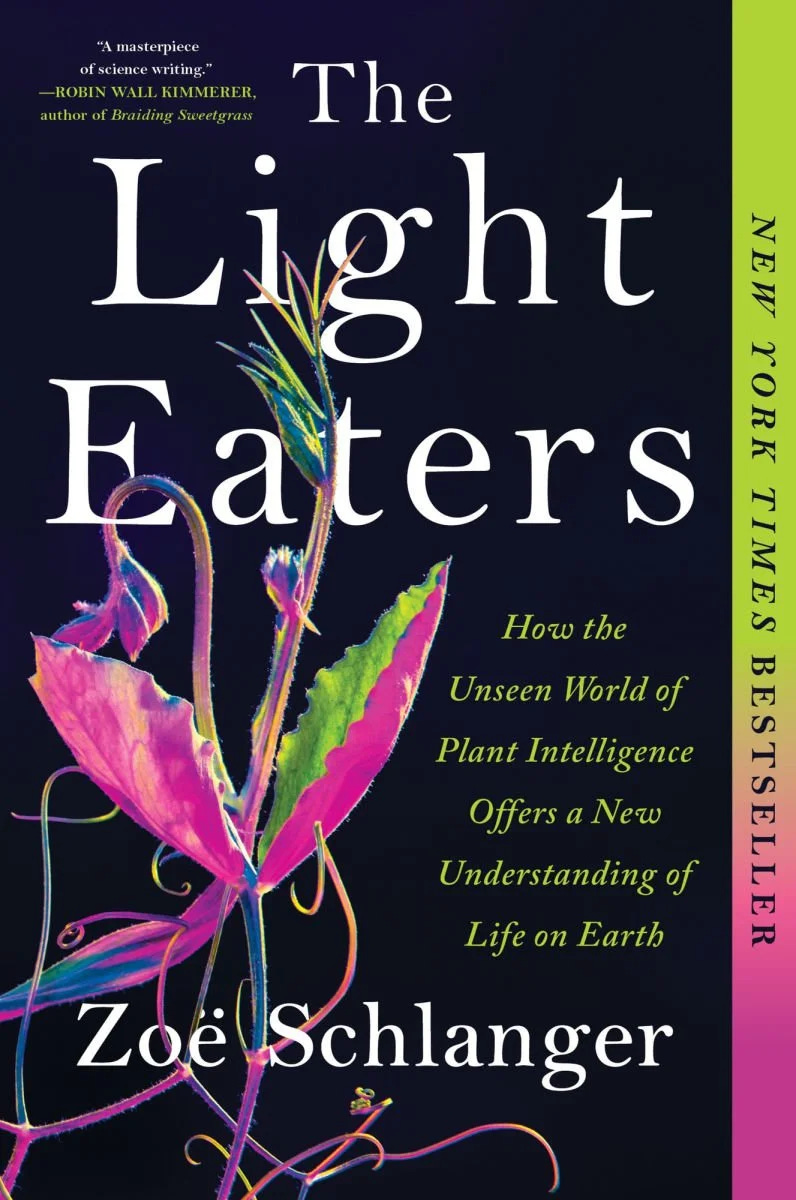
Reading ‘The Light Eaters’ by Zoe Schlager was another moment of insight: in another controversial field of research for the science community, why plants conduct bioelectricity (and emit chemicals too) is a fascinating thing to think about - are we on the cusp of discovering a new language, new realms of plants communication, even plant consciousness?!
What’s in a name?

This year, Plants Can Dance (and Mushrooms ‘Sing’) was born. The name was split into two - first because I’d learned that plants and fungi and very different species and need to be categorised separately. Secondly because plants can dance - this is summed up by the quote from Schlanger’s The Light Eaters book:
Plants are the very definition of creative becoming: they are in constant motion, albeit slow motion, probing the air and soil in a relentless quest for a liveable future.
So, plants are dancing - just in slow motion, imperceivable to the human eye. To me, this is the most interesting thing about making art inspired by nature - it challenges you to submit to a totally different time plane.
Mushrooms (obviously) aren’t actually singing via vocalisations or anything similar to the human voice, but they are singing metaphorically - as part of the wider mycelium network and the Wood Wide Web. Sometimes harmoniously, sometime not, but like plants: always growing, probing and seeking ways of supporting life on this planet.
For subscribers, read on to find out how different approaches have led to some competing points of view…
